How Ayurveda Balances Your Doshas for Effective Weight Loss
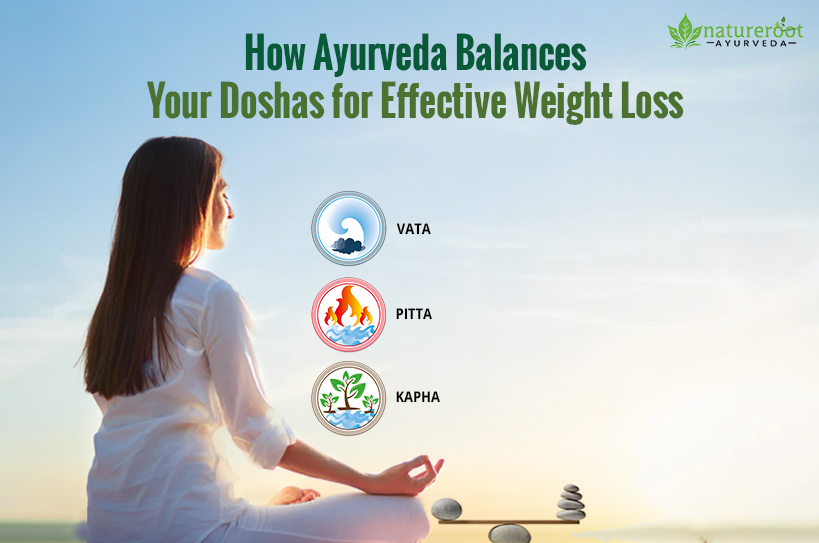
Ayurveda, the ancient Indian science of natural healing, has been guiding people towards better health for over 5,000 years. One of its core beliefs is that true wellness is achieved when your doshas are in balance. These doshas — Vata, Pitta, and Kapha — are the three energies that govern the body’s functions. Each of us has a unique combination of these doshas, and this combination determines our body type, metabolism, digestion, and even emotional tendencies.
When it comes to weight loss, Ayurveda takes a holistic and sustainable approach. Instead of focusing on temporary calorie cuts or extreme workouts, Ayurveda works on restoring your internal balance so that your body naturally reaches its ideal weight.
Understanding the Three Doshas in Ayurveda
Before we dive into weight loss, it’s important to understand the nature of the three doshas.
1. Vata Dosha – The Energy of Movement
- Elements: Air + Ether
- Qualities: Light, dry, cold, mobile, and quick
- Body Traits: Vata types are usually slim, energetic, and creative.
- Weight Gain Tendency: Vata people usually have a fast metabolism, but if digestion weakens due to irregular eating habits or stress, they can experience bloating, poor nutrient absorption, and sudden weight changes.
Balancing Vata for Weight Loss:
- Eat warm, moist, and cooked foods. Soups, stews, and herbal teas work best.
- Avoid excessive raw salads, cold drinks, and dry snacks.
- Include healthy fats like ghee, sesame oil, and nuts to nourish the body.
- Stick to regular mealtimes and sleep schedules.
- Practice grounding exercises like yoga, meditation, and deep breathing.
2. Pitta Dosha – The Energy of Transformation
- Elements: Fire + Water
- Qualities: Hot, sharp, intense, oily, and focused
- Body Traits: Pitta types usually have a medium build, strong metabolism, and good muscle tone.
- Weight Gain Tendency: Pittas rarely gain weight rapidly, but excessive spicy, oily, or acidic foods can lead to inflammation, indigestion, and stubborn fat around the belly.
Balancing Pitta for Weight Loss:
- Eat cooling, refreshing foods like cucumber, watermelon, and leafy greens.
- Avoid excessive chili, fried foods, and alcohol.
- Stay hydrated with room-temperature or cool water (avoid iced drinks).
- Choose moderate exercises like swimming, cycling, or walking in nature.
- Practice calming techniques to control stress, which can trigger overeating.
3. Kapha Dosha – The Energy of Structure and Stability
- Elements: Earth + Water
- Qualities: Heavy, slow, stable, oily, and nurturing
- Body Traits: Kapha types often have a naturally solid build and good endurance.
- Weight Gain Tendency: Kaphas gain weight more easily due to a slower metabolism and water retention. Emotional eating and a sedentary lifestyle make it harder to lose fat.
Balancing Kapha for Weight Loss:
- Eat light, warm, and spicy foods that boost metabolism (ginger, black pepper, turmeric).
- Avoid heavy, oily, and sweet foods like fried snacks, dairy, and excess carbs.
- Include more bitter and astringent vegetables like spinach, kale, and bitter gourd.
- Engage in regular, vigorous physical activity — jogging, dance, or gym workouts.
- Limit daytime naps to stay active and alert.
How Ayurveda Balances Doshas for Weight Loss
Ayurveda’s weight loss approach is rooted in understanding your body constitution and correcting the imbalances that cause excess weight. Here’s how it works:
1. Personalized Diet Plans
Instead of one-size-fits-all diets, Ayurveda recommends foods that suit your dosha. For example, a Kapha person might be advised to eat more warming spices and lighter meals, while a Vata person benefits from richer, nourishing foods.
2. Herbal Support
Ayurvedic herbs play a big role in weight management:
- Triphala – Improves digestion and detoxifies.
- Guggul – Boosts metabolism and reduces cholesterol.
- Garcinia Cambogia (Vrikshamla) – Helps control appetite and fat production.
- Fenugreek Seeds – Improves blood sugar control and digestion.
3. Daily Routine (Dinacharya)
Maintaining a consistent routine balances hormones, improves digestion, and reduces stress eating. Ayurveda suggests:
- Waking up early before sunrise
- Drinking warm water with lemon to stimulate digestion
- Eating the heaviest meal at midday when digestion is strongest
- Sleeping before 10 PM for optimal body repair
4. Mind-Body Practices
Stress and emotional imbalance are major contributors to weight gain. Ayurveda integrates:
- Yoga – Strengthens the body and promotes flexibility.
- Pranayama – Improves oxygen flow and calms the mind.
- Meditation – Reduces stress, preventing overeating.
5. Detox Therapies (Panchakarma)
Panchakarma treatments like Virechana (therapeutic purgation) and Udvartana (herbal powder massage) help eliminate toxins, improve circulation, and boost metabolism.
Why Ayurvedic Weight Loss Works Better in the Long Run
Unlike crash diets, which may cause rapid but temporary weight loss, Ayurveda focuses on:
- Treating the Root Cause – Whether it’s hormonal imbalance, poor digestion, or emotional stress.
- Improving Digestion (Agni) – A healthy digestive fire ensures proper nutrient absorption and prevents fat accumulation.
- Enhancing Energy – Balanced doshas make you more active naturally.
- Sustainable Results – By adopting lifestyle changes, you maintain a healthy weight without feeling deprived.
Final Tips for Ayurvedic Weight Loss
- Identify your dominant dosha through a professional Ayurvedic consultation.
- Follow a dosha-specific diet and lifestyle plan consistently.
- Avoid overeating, even healthy foods — portion control is key.
- Stay physically active every day, even if it’s just a 30-minute walk.
- Listen to your body’s hunger and fullness signals.