The rainy season brings freshness and relief from the scorching summer heat, but it also creates a humid environment — the perfect breeding ground for fungal infections. Conditions like athlete’s foot, ringworm, nail fungus, and skin rashes become common during monsoon due to excessive sweating, damp clothes, and poor air circulation.
While modern creams and ointments offer temporary relief, Ayurveda provides a natural, long-term cure by balancing the doshas and strengthening the skin’s immunity. In this blog, we’ll explore Ayurvedic herbs, oils, and lifestyle practices that can help you prevent and treat fungal infections naturally.
🌿 Common Fungal Infections During Monsoon
Some of the most common fungal infections seen in this season are:
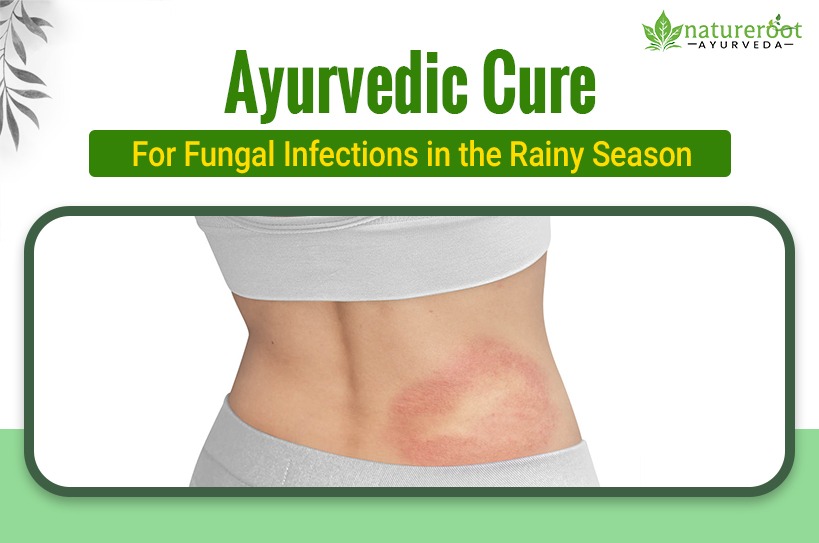
- Ringworm (Dadru) – Red, circular rashes with itching.
- Athlete’s Foot – Peeling, redness, and burning between toes.
- Candida (Yeast Infection) – Itching and irritation in moist areas.
- Nail Fungus (Onychomycosis) – Thick, brittle, and discolored nails.
- Tinea Versicolor – Discolored patches on the skin.
🌱 Ayurvedic Perspective on Fungal Infections
In Ayurveda, most fungal infections are linked to Kapha and Pitta imbalance. The humid and warm monsoon environment increases Kapha (moisture) and Pitta (heat), which creates a perfect condition for fungal growth.
Key Ayurvedic principles for cure:
- Drying & Detoxifying the body to prevent excess moisture.
- Cooling Pitta to reduce inflammation and itching.
- Strengthening immunity to avoid recurrence.
🪷 Ayurvedic Remedies for Fungal Infections
1. Neem (Azadirachta indica)
- Why it works: Neem is known as Sarva Roga Nivarini (the cure for all diseases) in Ayurveda. It has strong anti-fungal and antibacterial properties.
- How to use:
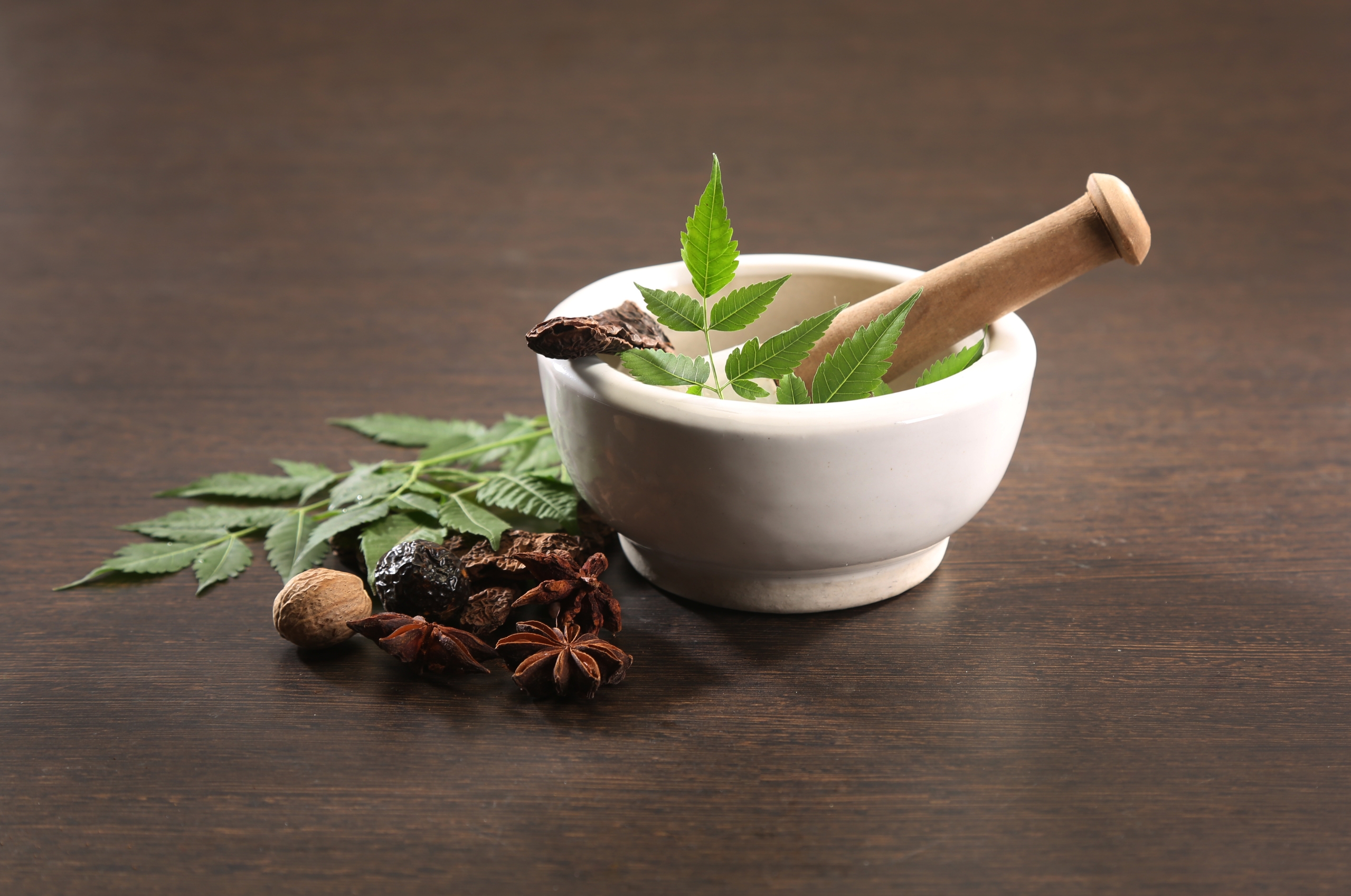
- Neem paste: Crush fresh neem leaves and apply directly to the affected area twice daily.
- Neem water bath: Boil neem leaves in water, cool it, and use it for bathing.
2. Turmeric (Haridra)
- Why it works: Turmeric contains curcumin, which is a powerful anti-inflammatory and anti-fungal agent.
- How to use:
- Turmeric paste: Mix turmeric powder with coconut oil and apply to the infection.
- Internal use: Drink warm milk with ½ tsp turmeric before bed to boost immunity.
3. Aloe Vera
- Why it works: Aloe vera soothes irritated skin, reduces itching, and promotes healing.
- How to use: Apply fresh aloe gel to the affected skin twice a day.
4. Triphala
- Why it works: Triphala detoxifies the blood, improves digestion, and strengthens immunity.
- How to use: Take 1 tsp Triphala powder with lukewarm water before bed.
5. Tea Tree Oil (Ayurvedic Equivalent: Gandhakadi Taila)
- Why it works: Contains terpinen-4-ol, which fights fungal growth.
- How to use: Dilute a few drops in coconut oil and apply to the infected area twice a day.
🍵 Ayurvedic Internal Medicines
For stubborn infections, Ayurveda suggests herbal formulations like:
- Gandhak Rasayan – Improves skin health and acts as a natural anti-fungal.
- Nimbadi Churna – Purifies blood and reduces itching.
- Manjishtha Powder – Detoxifies skin and balances Pitta.
(Always consult an Ayurvedic doctor before internal use.)
🏠 Home Remedies to Prevent Fungal Infections in Monsoon
- Keep skin dry – Change wet clothes immediately after rain or sweating.
- Wear breathable fabrics – Cotton is best to reduce sweating.
- Dust talcum or herbal powders in moisture-prone areas.
- Avoid sharing towels or footwear to prevent infection spread.
- Eat immunity-boosting foods like Amla, Tulsi, and ginger.
🥗 Ayurvedic Diet for Healthy Skin in Monsoon
Ayurveda recommends a diet that reduces Kapha and Pitta:
- Include: Bitter vegetables (bitter gourd, fenugreek), turmeric, garlic, neem leaves, buttermilk.
- Avoid: Excess sweets, oily and fried food, fermented items, and dairy at night.
⚠ When to See a Doctor
Seek immediate medical attention if:
- Infection spreads rapidly.
- There is pus or severe pain.
- You have diabetes or low immunity.
✅ Final Thoughts
Fungal infections during the rainy season are common but preventable. By following Ayurvedic remedies, maintaining good hygiene, and eating immunity-boosting foods, you can stay infection-free naturally. Ayurveda not only treats the symptoms but also addresses the root cause, ensuring long-term protection.
Pro Tip: Always patch-test herbal remedies before use to avoid allergic reactions.